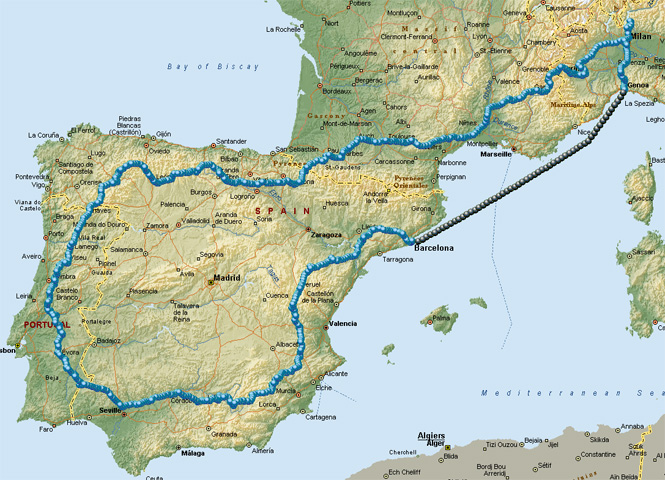
Portugal and Spain are two wonderful places to ride: the back roads are usually clear of traffic and motorcycle friendly, the weather is mild, the food is terrific, the scenery is amazing and it's easy to find a good hotel at the end of the day's ride. This will be a circle of Iberia.
I was here in 2010, but only had time to dash west across northern Spain to the Portuguese coast, and then east towards Valencia before heading north to France and then Italy. For this trip, I'll use the same number of days on the road, but I'll be taking a ferry from Genova to Barcelona on my first day out, and I won't spend much time sightseeing through France on the way back. I'll have eight nights in Spain and Portugal.
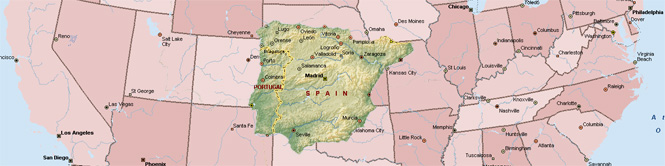
In the context of distances travelled in the Great Plains of the U.S., The Iberian Peninsula isn't all that big. However, I know from experience that once you're off the primary roads, you cannot count on anywhere near the number of miles that you might make in Kansas.
My plan was to travel clockwise, keeping inland the whole time. There's no question, but that most any guidebook will list countless coastal towns as “must-see” places for the tourist. I'll be skipping those. Instead, I'll try to keep mostly to the rural country--knowing that running through the occasional larger city will be unavoidable.

New Jersey
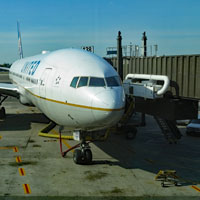
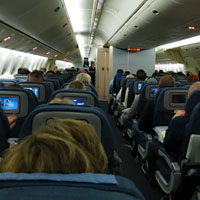
It's mostly always the same for every trip: fly to Chicago, then Newark, then Malpensa/Milano in Italy. The cross-Atlantic schedule hasn't changed from the days of Continental Airlines, even though the name on the airplane now says United.

Italia
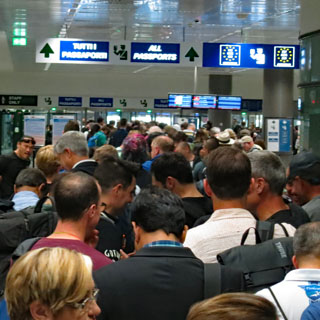
Ordinarily, the line through Italy passport control is very fast, but today was not. Once my yellow bag came down the chute at the luggage carrousel, I was out the door; there is no Customs check.
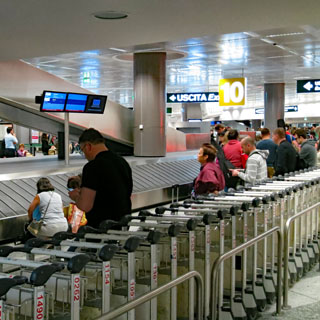
It depends on when I've picked up my bag whether or not I take the bus or use the express train to get to Milano. If the plane lands earlier than scheduled, the train works the best. It takes about an hour to get there. There's less walking at the Centrale Station if you take the train (and no stairs to climb, either).
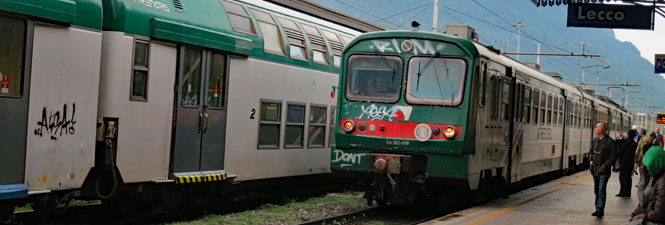
Once at the Centrale Station, you've got about twenty minutes to find the train to Lecco. Miss that one, and you'll be waiting a couple of hours for the next one. I've done that on previous trips, but today things worked out and I hopped on the Lecco train with plenty of time.
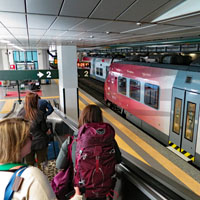
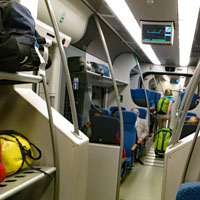
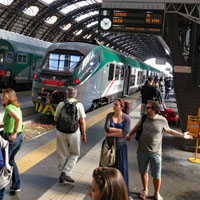
Arrival at Lecco. The hotel folks are good at having my room ready even though I'm arriving well before the normal time. I appreciate that.
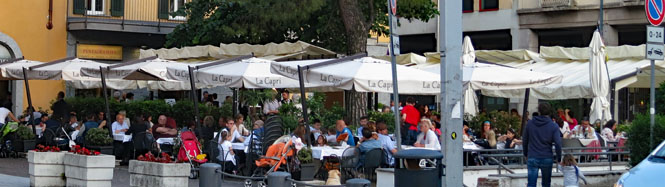
First order of business is to stop across the street at La Capri for a typical Como meal.
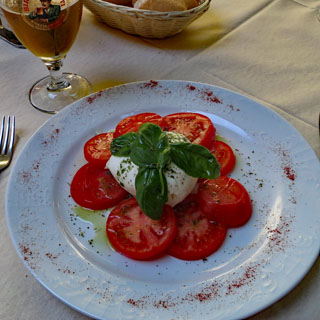
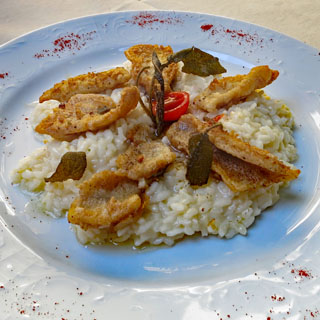
Lecco; it's a comfortable place.
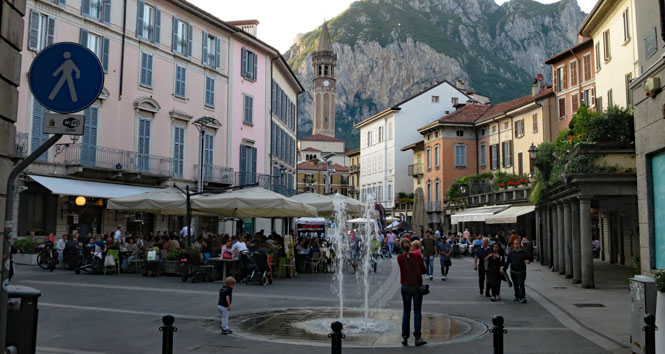
There's always something going on. Today it seems to a national level bike race, where the bikes all have electric assist motors. I've never seen such things, and here they have an entire class of fully sponsored racing events just for them.
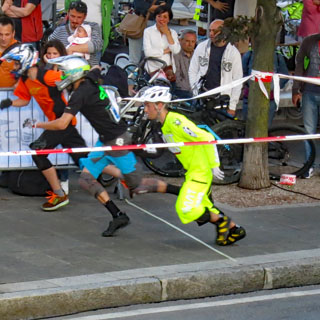
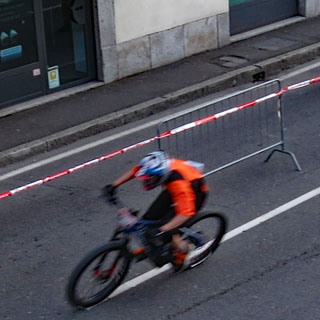
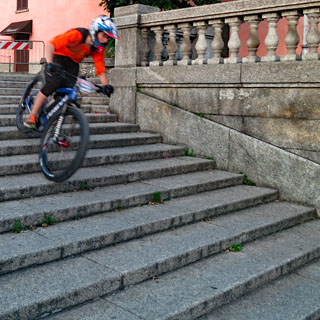
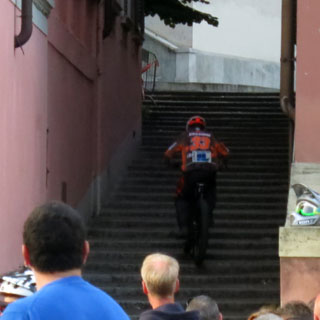
The electric motor might be helping out, but the riders still seemed to be working pretty hard to ride up the stairs. Riding down doesn't look so tough.
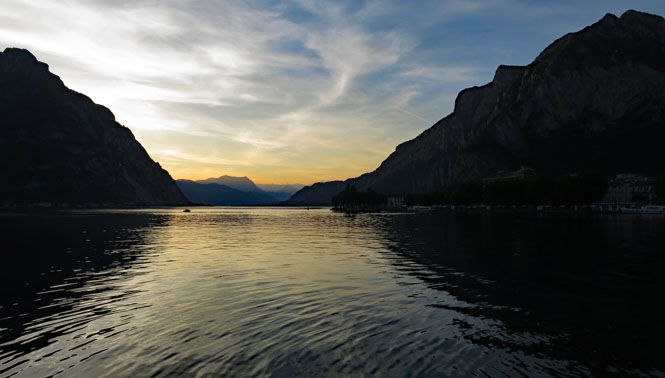
Lago Como (and a view of the Swiss Alps in the distance). My goal for today is to visit Via Carlota, which is across the lake from Bellagio. I'll be taking the ferry from Lecco.
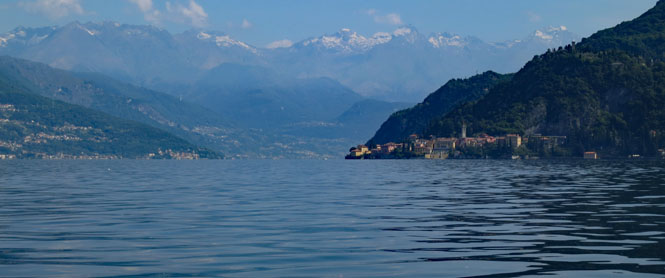
Bellagio. I only stayed here long enough to catch the next ferry.
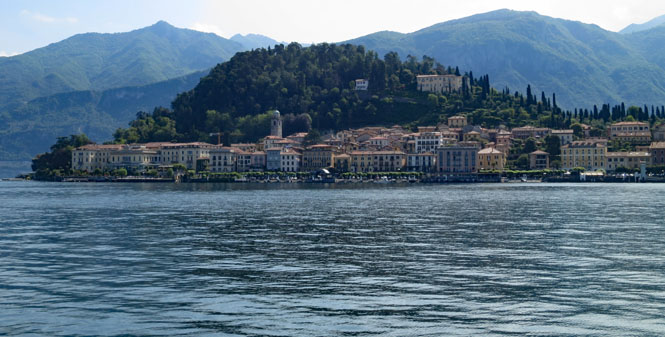
Villa Carlotta was built in the late 1600s for a Milanese marquis. In 1843 it was a wedding present to Charlotte, the Duchess of Saxe-Meiningen for whom the place is now named. After the first world war, the government of Italy confiscated the house, and it has remained a state museum and property since then.
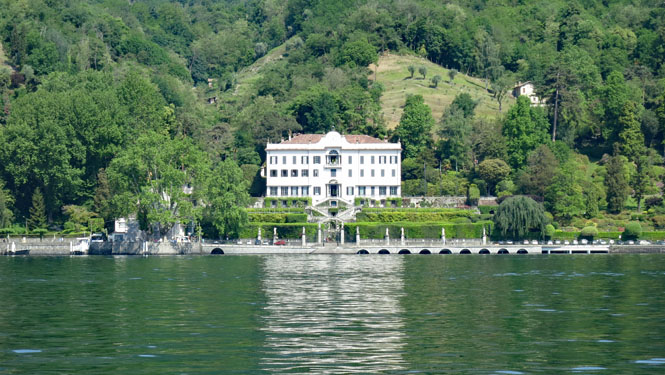
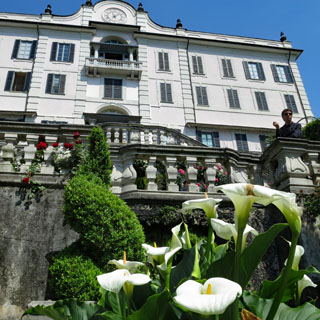
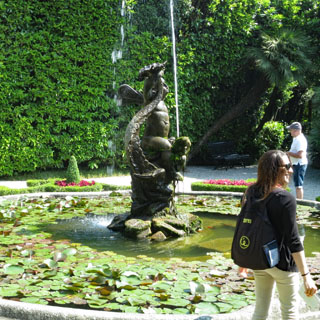
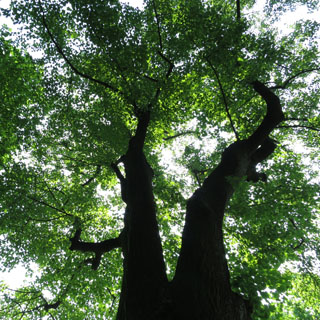
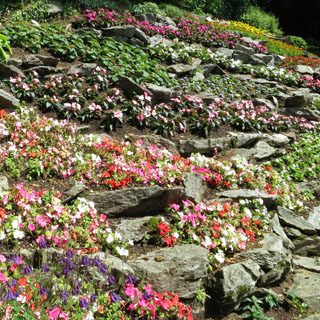
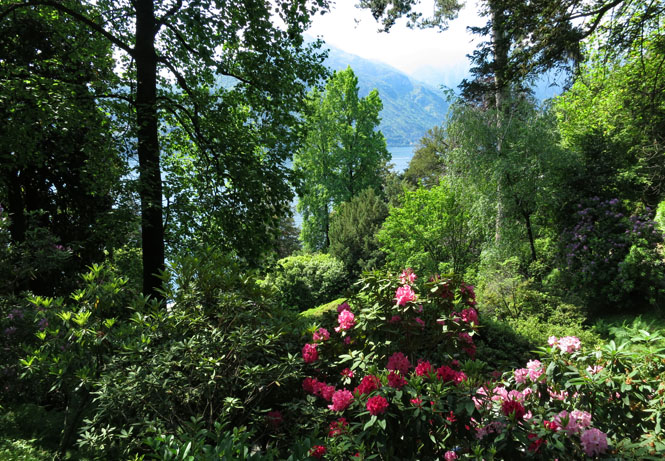
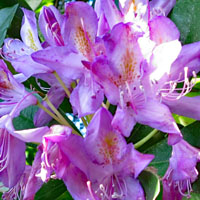
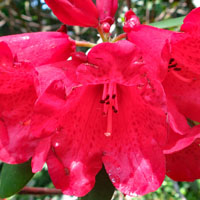
The grounds cover some seventeen acres with lots of foot paths that take you through seemingly hidden and isolated areas. Plants are from all over the world (including a couple of large Sequoias).
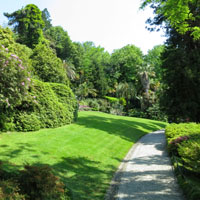
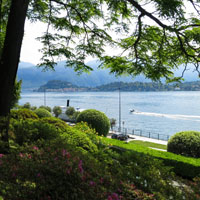
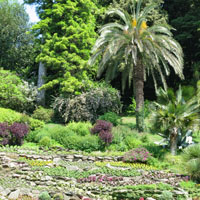
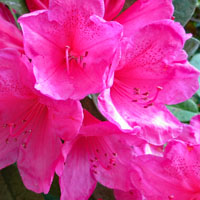
I heard one of the guides say that we had just missed the season when the trees and many of the other flowers were in bloom, but still, it's all pretty impressive.
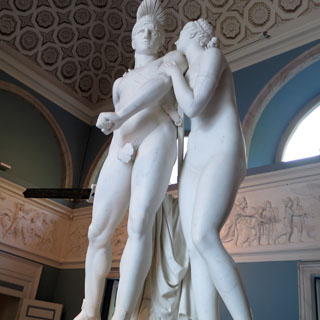
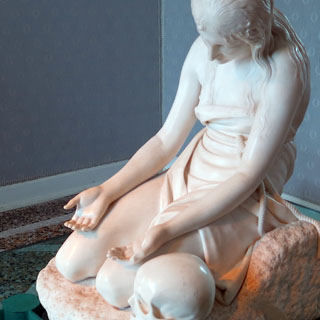
The villa is perhaps more famous for its well-known statues than the other art works on display.
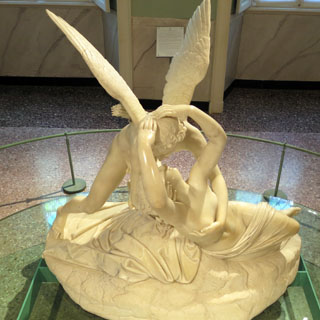
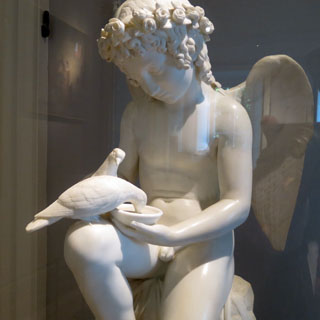
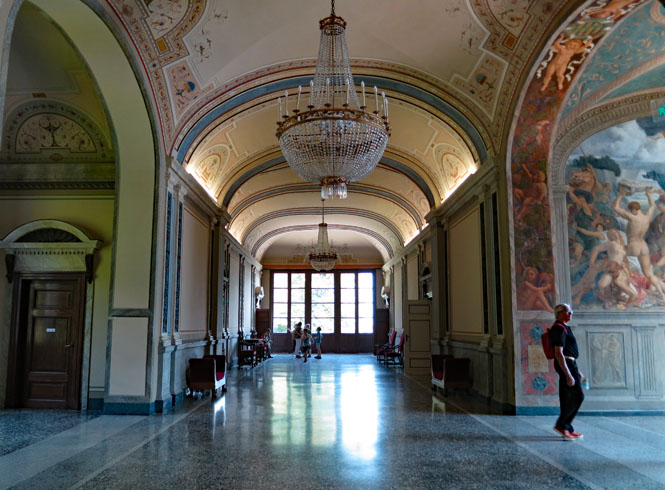
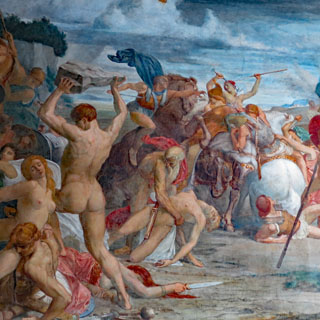
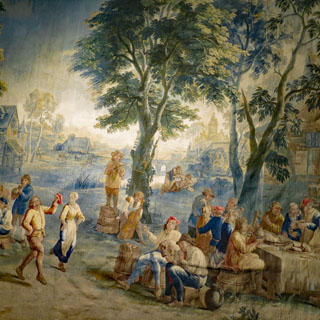
A couple of very large tapestries (see above, as well).
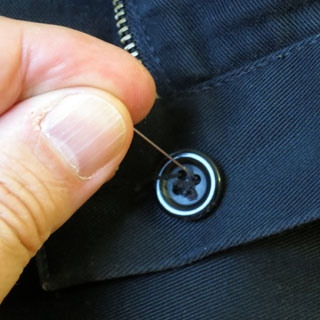
This disappointed me. I noticed that the top button of my pants was nearly undone, and needed to be sewn back on. A pantomime to request a needle and thread is easier than you might think. The reason for my disappointment was that this very thing is on my detailed checklist for the trip, and I still didn't catch it.
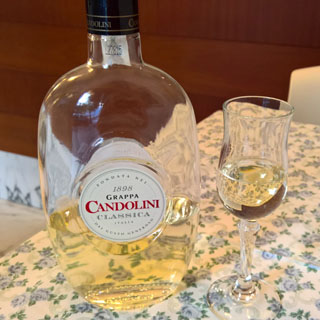
A glass of Grappa will reset the priorities.
Monday morning, it's a ten minute ride to Mandello del Lario.
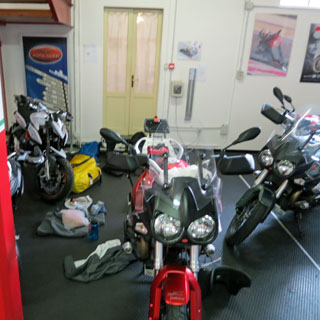
And, it's raining. Quite a bit, really. Stefano did me a favor and brought the bike into the showroom so I could load things up without soaking myself. The soaking would come soon enough.
Everything comes out of the larger yellow duffle-bag and is repacked into the small yellow duffle-bag that will be strapped to the pillion seat behind me. My boots and helmet and air pump were kept in Mandello, so those are three things I don't need to worry about hauling in. The air pump goes under the seat where the tools would ordinarily go, and the tools go in a waterproof bag that is strapped to the handlebar. I bring my own tools, so I don't rely on the feeble tool kit that comes with the bike.
Getting south out of Milano is trouble enough. Miserable, really. There is no clean way to do it. Even the autostrada was stop-and-go. I had a fair amount of rain the first hour, but it mostly cleared up by the afternoon.
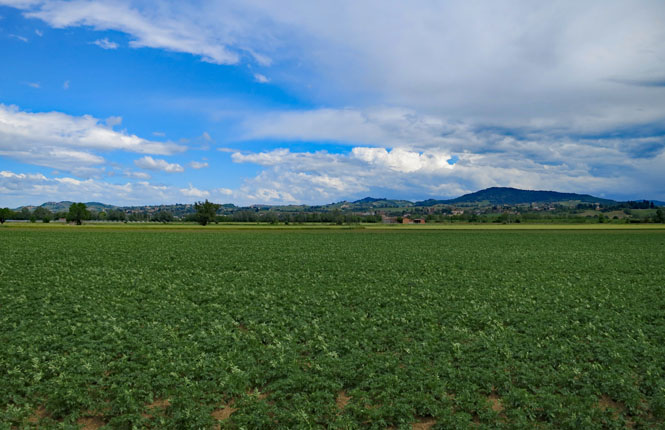
Voghera. I'm following the old route to Genova--avoiding the autostrada.
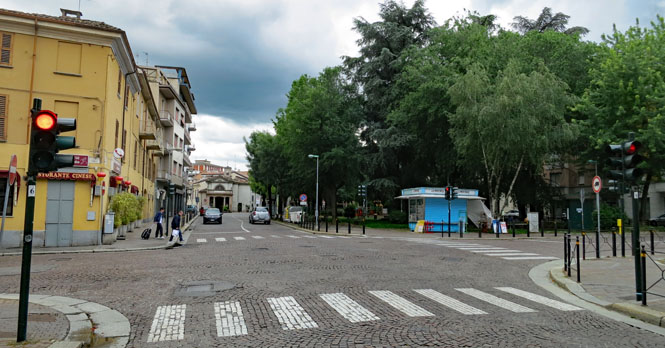
Villalvernia. These aren't towns that dress up for tourists.
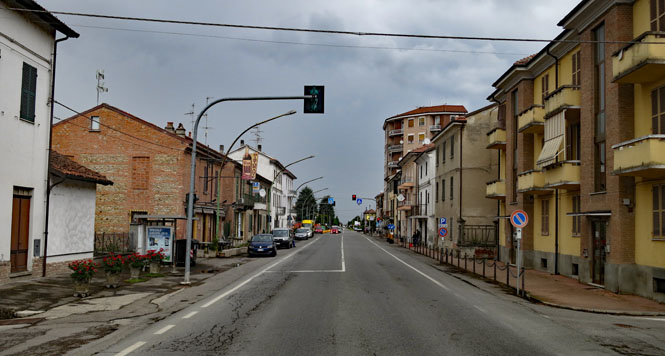
Serravalle Scrivia. If you avoid the bypass and run right through town, chances are good you'll be riding on several one-way streets that don't make much apparent sense, but you'll get across town if you pay attention to the signs for the next town (which you'll see if you are lucky).
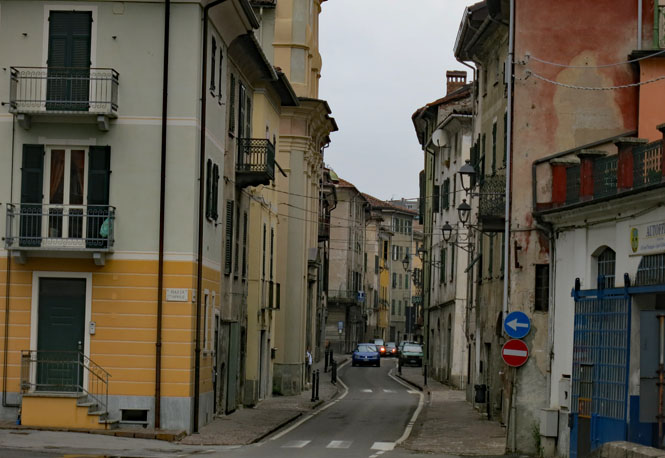
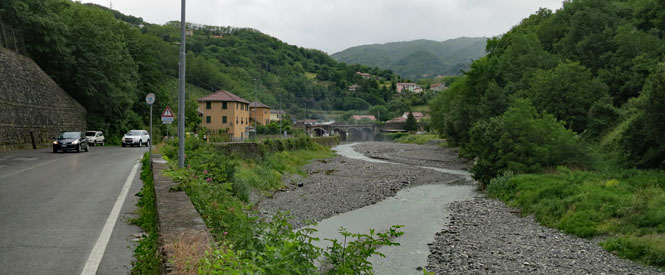
The passo over the mountains to Genova has been used for centuries. Today, the autostrada makes quick work of it through multiple tunnels and viaducts, but the old highway still winds up and down through the valle, following the fiume.
The temperature dropped down to the high forties with a bit of drizzle to chill the hands, but I figured that would probably be the last time I'd need the electric vest.
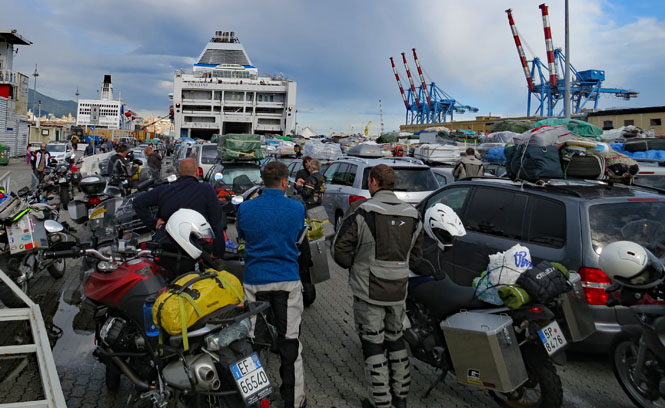
The Grandi Navi Veloci ferry “Excellent.” Sailing time was listed as 8:00pm and people were advised to be ready two hours before that. I didn't roll on the ship until 10:00pm. I've been on may large ferries, but the loadmasters for this one would have to be called the least organized of them all.
Compared to some of these BMW riders, I felt decidedly underdressed and my bike both underequipped and under loaded.
They have a lot of nautical miles to make up for the delay--and, they did.
Oh, dear. I thought some of these might tip over just getting on the boat. I cannot imagine what it was like to drive something so overloaded on an Italian road. The ferry is going to Barcelona, but from there it continues to Tangier, Morocco. That's where these vehicles are headed.
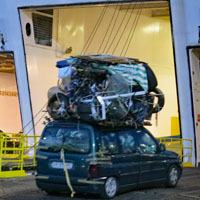
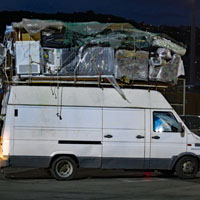
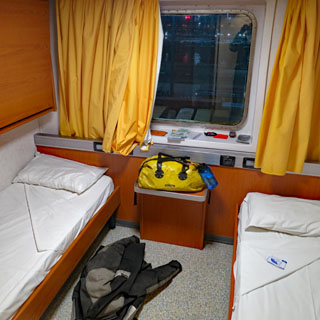
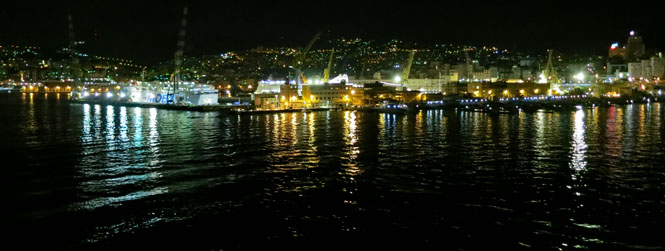
I had a cabin with a window, which was nice. That's the view of Genova at night. As is always the case with these ferry berths, the bed is too short, but no matter; I slept well.
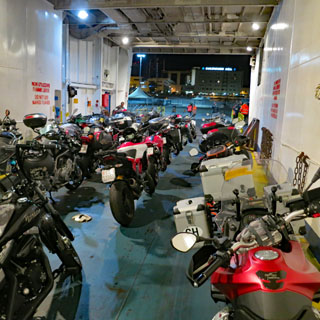
Genova and the docks.
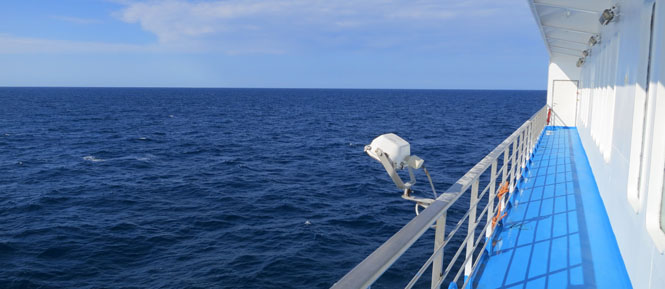
Looking at what the ferry has to offer. We wouldn't be in Barcelona until 3:30pm the next day.
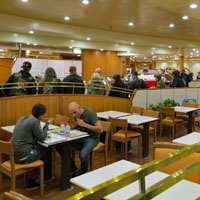
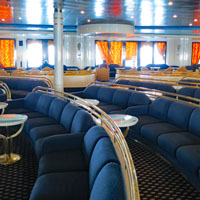
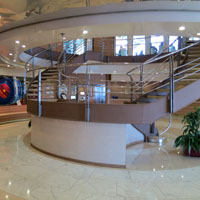
It was a smooth ride. I had no worries that there'd be a jumble of motorcycles in the hold.

España

Catalonia
Barcelona. Look close and you can see some of the famous buildings. We passed several large cruise ships on the way to our slip.
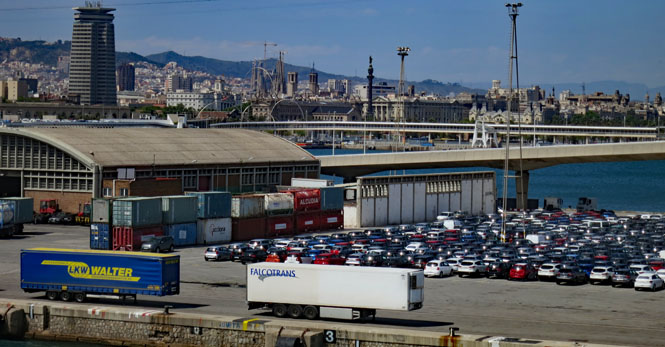
Since the ferry is sailing from one EU country to another, there is no passport check. Just roll off the ferry and you're on your way.
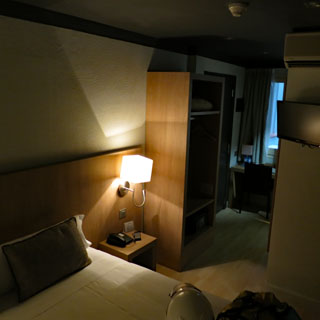
This was the only night I'd made earlier reservations for a hotel. I didn't have far to ride this day.
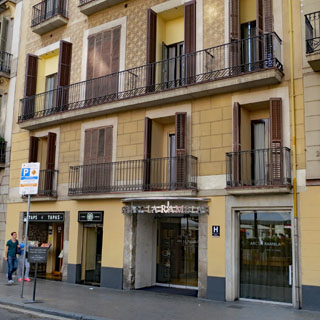
La Rambla--easily the most famous street in Barcelona, if not all of Spain--is just outside my hotel.
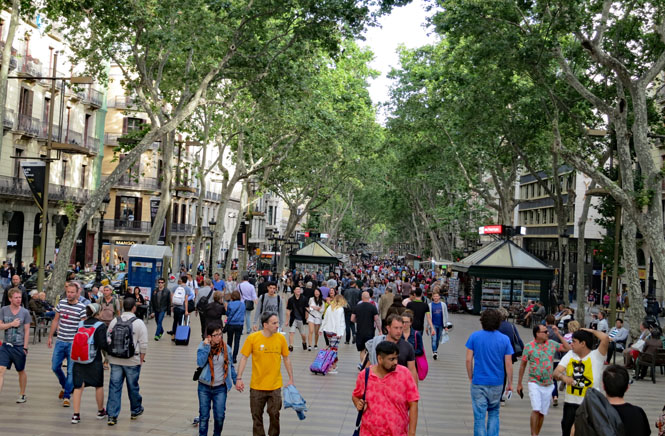
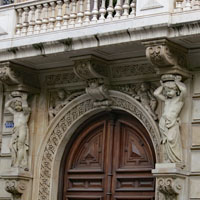
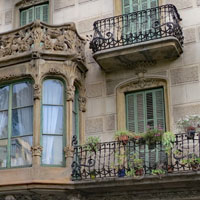
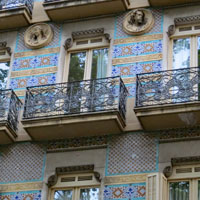
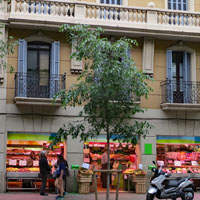
Everywhere you look you'll see amazing architectural details. Most every building has something special about it. It's a remarkable neighborhood--Barri Gòtic (The Gothic Quarter).
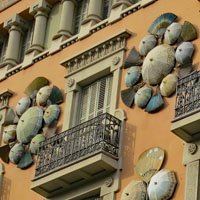
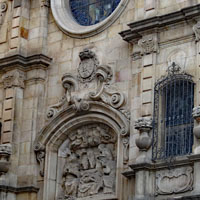
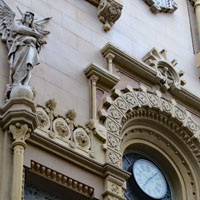
I'd heard and read that the quarter is safe and is very well patrolled. I believe it.
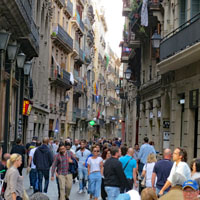
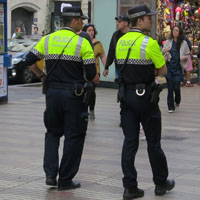
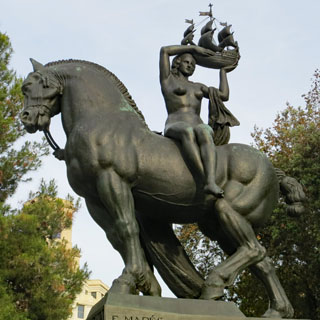
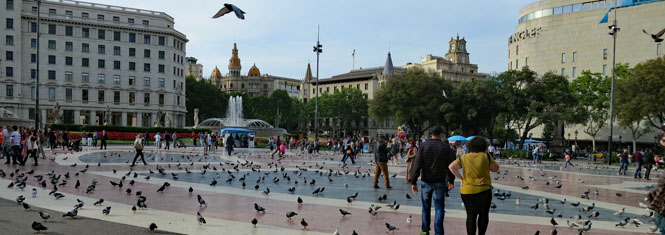
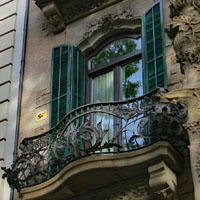
Details everywhere you look.
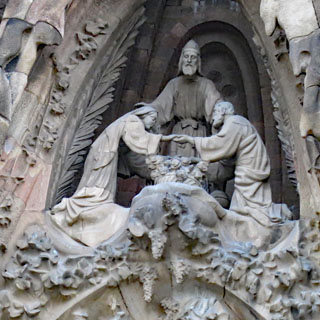
The Basilica Sagrada Família. Wow. Construction on Antoni Gaudí's masterpiece began in 1882. Work continues today.
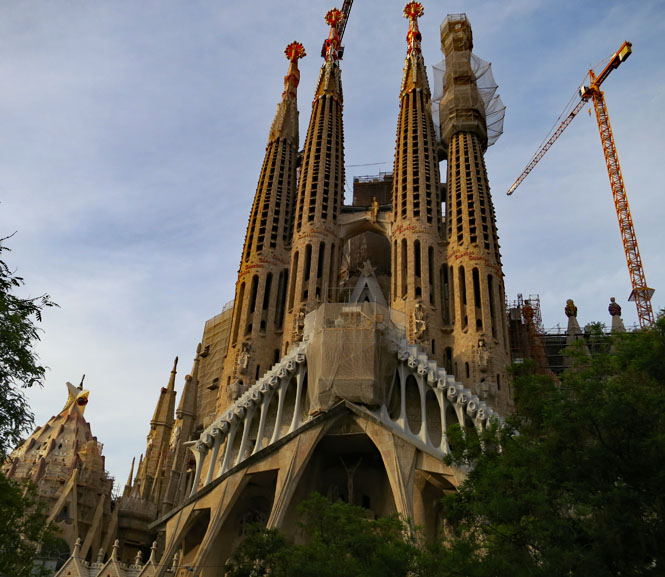
I have never seen such stone work. This is really a jaw-dropping building.
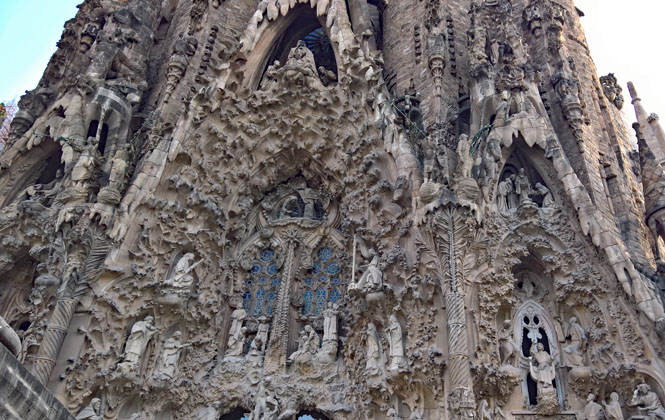
Unfortunately, I was too late for tours of the interior (even if I had made reservations ahead of time as would have been required). No matter.
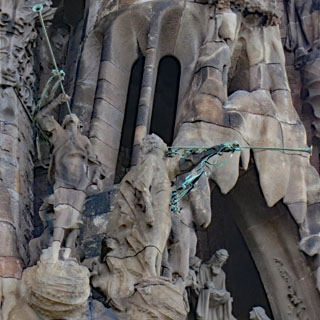

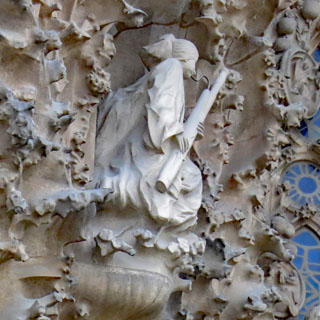
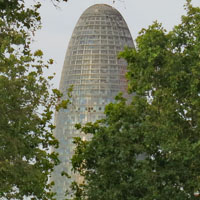
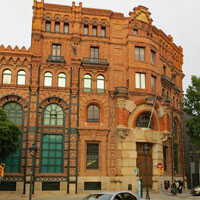
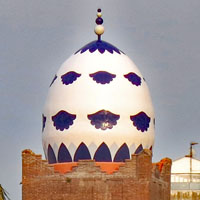
Barcelona isn't afraid to put up interesting buildings.
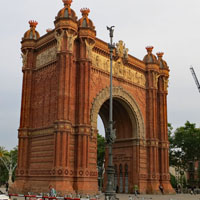
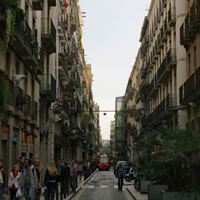
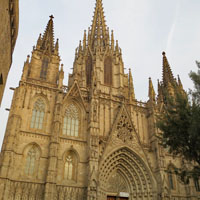
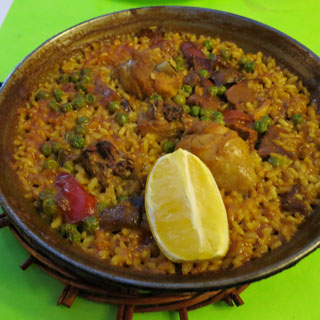
That's gazpacho on the left, followed by Paella de Carne on the right. Excellent. Welcome to Barcelona.
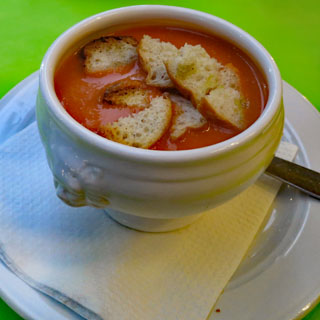
The first goal the next morning was to ride south in the most efficient way to get out of the Barcelona sprawl.
A reminder on fuel. Look and look again. Make sure you're putting gasoline in the tank. Diesel is common, but often is not called diesel.
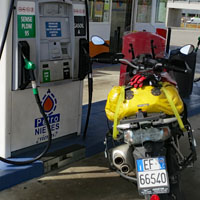
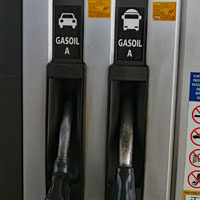
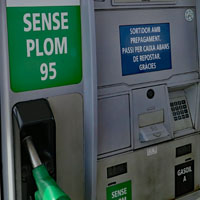
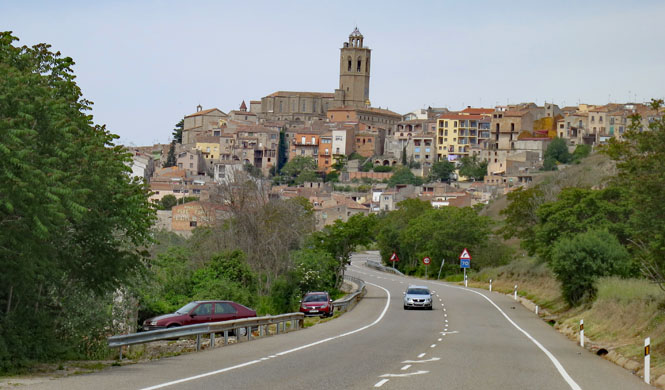
Cervera. I'm well out of the city by now and am just looking for interesting and inviting roads. I have no destination and don't know where I'll be when I need a hotel.
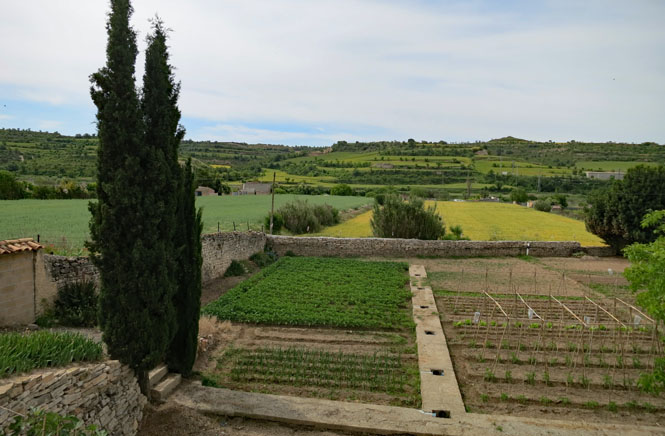
Very tidy gardens. This sort of thing is common.
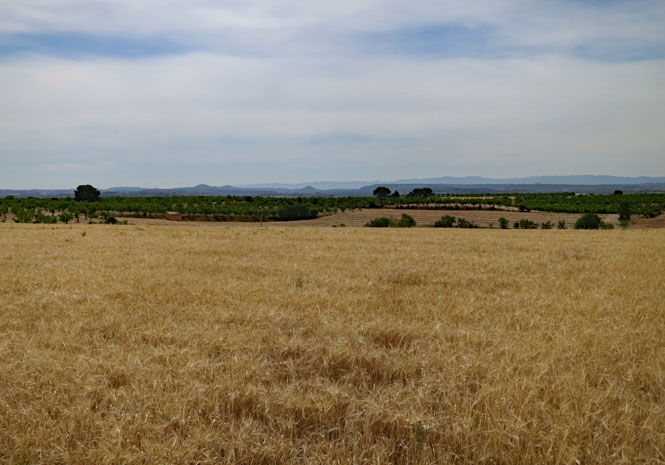
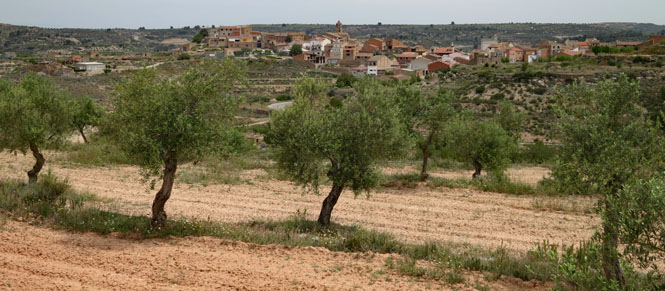
L'Albagés. Surrounded by Olive groves.
This is the sort of road I'm always looking for. It's too narrow for a center strip, but gets me to where I want to go.
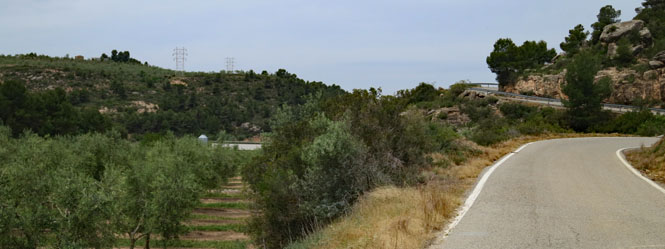
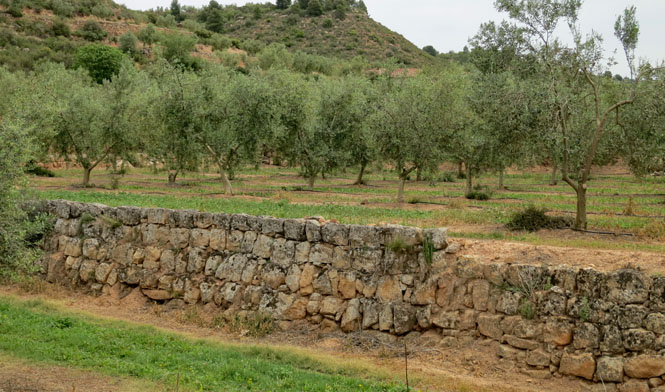
La Granadella. The extent of stone walls is amazing. It's the work of generations.
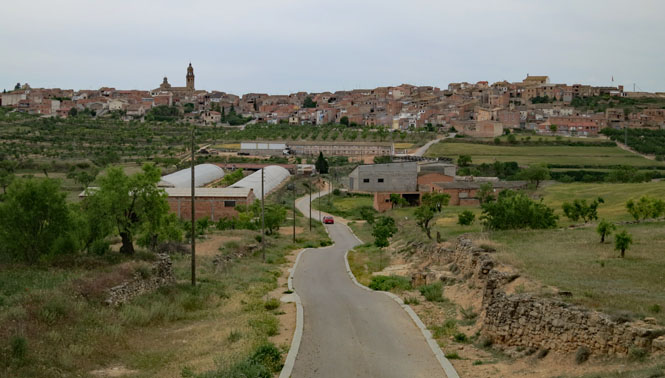
Gandesa.
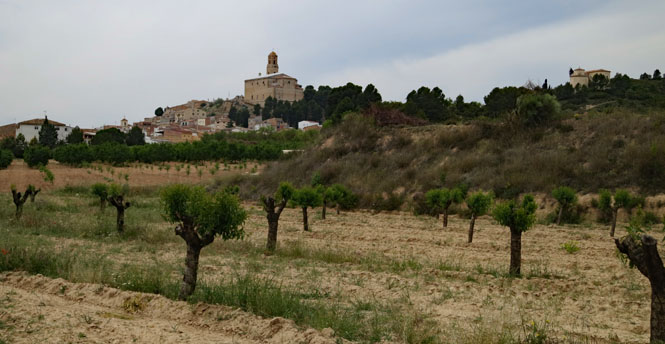
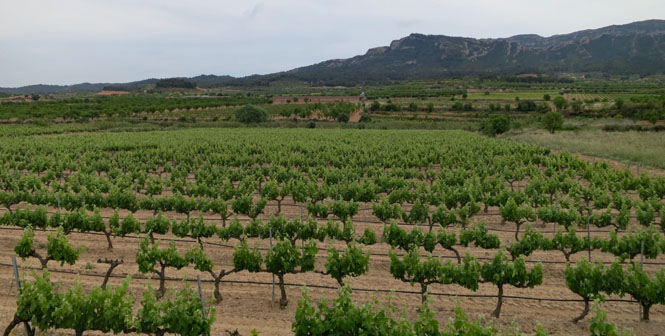

Aragon
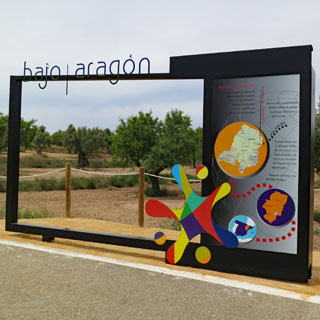
The Prime Meridian passes through here. Look north and you're looking at Greenwich, U.K. I wonder how many such roadside displays there are (literally) around the world.